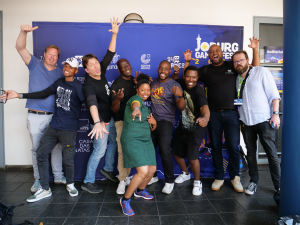
On Representation, Affinity and Culture: A Trip to Cape Town for Africa Games Week 2024

The idea that all storytelling is representation is well-understood by many. As a popular saying reminds us, “We see things as we are, not as they are.” This highlights the subjectivity inherent in our narratives—the stories we tell are shaped by our unique perspectives and experiences. This notion served as the centerpiece of a recent video game conference, framed by compelling discussions on industry economics and the intangible connection between customers and brands. One of the most enduring lessons was encapsulated in Maya Angelou’s words: “People will never forget how you made them feel.” Creating that feeling—a sense of belonging—is key to the economics of the maturing video game industry, as showcased during Africa Games Week (AGW) in Cape Town.
The Memory of the Crust: Food, Experience, and Storytelling
Food plays a significant role in Cape Town’s identity, with the city frequently topping lists of destinations for food enthusiasts. During my time there, I experienced what I can only describe as the best pizza of my life. A thin, chewy crust, adorned with fresh tomato paste and vibrant vegetables, left an indelible mark on my memory. This wasn’t just about the taste; it was the ambiance, the service, and the setting—a sensory tapestry that created an enduring emotional connection.
This pizza experience serves as an analogy for storytelling: facts (ingredients) are important, but the emotional resonance (the experience) is what lingers. This principle was underscored during AGW 2024, where speakers emphasized the importance of authentic storytelling in video games. Developers were reminded that while objective accuracy has its place, it is the universal relatability of emotions that forges a connection between storyteller and audience.
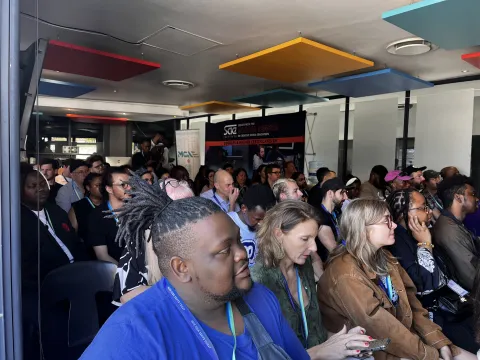

A Formidable Digital Storytelling Medium
The video games industry has outpaced many other audio-visual sectors, offering an unparalleled medium for immersive storytelling. Games don’t just present a narrative; they invite players to engage with and influence it. This interactive dynamic makes emotional resonance and cultural representation all the more significant.

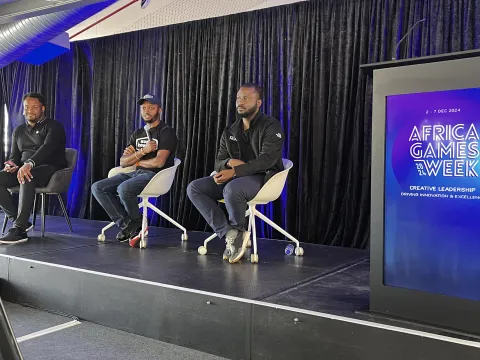
During AGW, several talks delved into the intricacies of storytelling, representation, and the evolving industry landscape. A recurring theme was the inherent representational nature of all stories. While 100% accuracy is unattainable, authenticity can be achieved through diligent research and consultation with experts. Small-scale, personal narratives often resonate universally, bridging gaps between diverse audiences. For game developers, this authenticity doesn’t just enhance storytelling; it’s a key factor in successfully marketing their games.
Economics and Community: The Bread of the Sandwich
AGW 2024 opened and closed with discussions on the economics of the gaming industry—the “bread” of the conference’s metaphorical sandwich. One of the primary takeaways was that the industry is maturing, increasingly mirroring other sectors. Developers are expected to shoulder greater risks, particularly when securing investment or loans. This necessitates a deep understanding of their market and the ability to demonstrate an engaged community around their offerings.
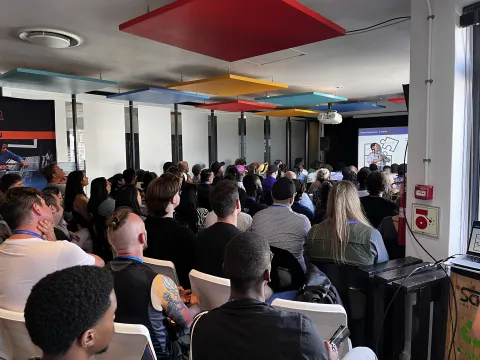
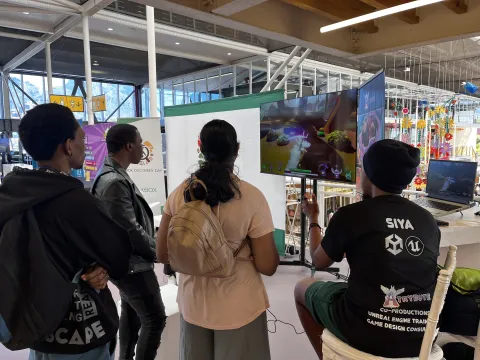
Community, or the sense of belonging fostered around a game, is central to unlocking economic potential. Validation of a market often hinges on the ability to point to an active, invested audience. For developers, this means cultivating not only a product but also a cultural ecosystem that resonates with players and investors alike.
Culture as the Way We Do Things
If culture is “the way we do things around here,” then hosting a gaming conference in Cape Town—a city renowned for its rich culinary culture—was a masterstroke. The shared experience of exploring the city’s textures, tastes, and stories added a layer of emotional resonance that complemented the conference’s professional discussions. This atmosphere made even the “economic medicine” of market validation and risk management more palatable.
However, the emphasis on “safe” stories—sequels and reinterpretations of existing narratives—raises questions about the balance between innovation and security in a risk-averse market. For developers like ITTHYNK Gaming’s studio, Disputed People, the solution lies in fostering long-term relationships with audiences through a diverse range of games, podcasts, and industry content.

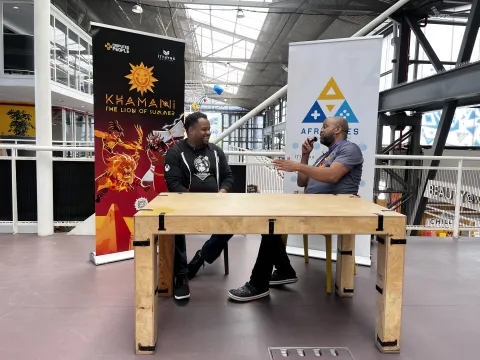
Africa Games Week 2024 was a rich tapestry of insights, connections, and reflections. It highlighted the importance of storytelling that blends factual accuracy with emotional authenticity, the economic realities of a maturing industry, and the cultural contexts that shape our shared experiences. As the gaming world continues to grow, the lessons from Cape Town—both on and off the conference stage—will undoubtedly resonate for years to come.